
How nursing education can strengthen mental health care in Black communities
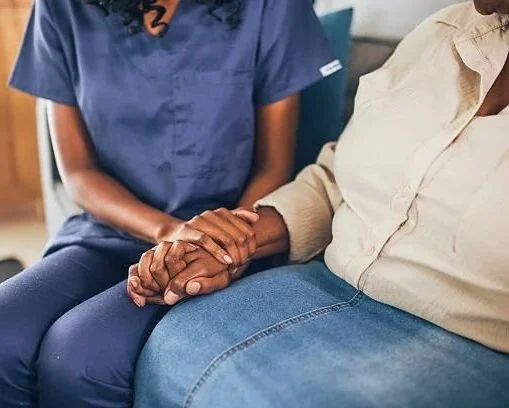
Mental health has become a more open topic across the United States, so more people are speaking honestly about emotional well-being than in previous generations. Even so, many Black communities still face obstacles that delay care, including provider shortages, financial pressures, transportation challenges, social stigma and longstanding distrust of healthcare systems.
Federal data also shows that Black adults were 36% less likely than U.S. adults overall to receive mental health treatment during the past year, highlighting the persistent gap between need and access. Those barriers often allow manageable concerns to become more serious before treatment begins. If you want to improve access to care, graduate nursing education represents one practical way to support meaningful change.
Advanced practice nurses bring expanded clinical knowledge into neighborhoods where compassionate care can have lasting value. National workforce data also continues to show strong demand for advanced practice nurses as mental health needs increase across the country, so the profession remains well positioned to strengthen access for people who need timely support.
Advanced education opens new opportunities to serve communities
Graduate nursing education allows registered nurses to build advanced clinical knowledge that reaches far beyond traditional bedside responsibilities. A PMHNP MSN prepares nurses to assess, diagnose, treat and manage many psychiatric conditions through psychotherapy, psychopharmacology, health assessment, evidence-based practice and collaborative care.
That preparation supports work across outpatient clinics, behavioral health practices, community health centers, correctional healthcare, telehealth services and integrated primary care settings. If your goal is to make a lasting difference within underserved communities, this advanced pathway allows you to reach people earlier in their mental health journey.
Federal workforce projections also continue to forecast strong growth for nurse practitioners during the coming decade, so graduates will enter a profession where skilled psychiatric providers remain in high demand across diverse communities.
Strong relationships encourage people to seek help sooner
Clinical knowledge creates a strong foundation, though meaningful mental health care also depends on trust between patients and healthcare professionals. Many Black patients bring personal experiences, cultural perspectives, family traditions or previous healthcare encounters into every appointment, so respectful communication often becomes just as valuable as clinical expertise.
Graduate nursing education places growing emphasis on cultural humility, trauma-informed care, active listening, social determinants of health and patient-centered communication. That broader perspective also helps nurses recognize how cultural beliefs, family dynamics and community influences can affect treatment decisions, communication and long-term engagement with mental health services.
Those skills help you understand the person behind the diagnosis, often leading to more open conversations about anxiety, depression, grief, substance use or emotional stress. Families also become more comfortable participating in treatment discussions when they feel heard, respected and included throughout the care process.
Community involvement creates lasting change beyond the clinic
Graduate-prepared nurses frequently contribute to community well-being through activities that extend far beyond direct patient care, so their influence reaches many people outside traditional healthcare settings.
Many participate in health education events, mentor future nurses, support local outreach efforts, collaborate with faith leaders or work alongside nonprofit organizations that promote emotional wellness. Those conversations gradually reduce stigma while helping families recognize the signs of common mental health conditions before a crisis develops.
You can also encourage people to view treatment as a normal part of overall health instead of something hidden from friends or relatives. Ultimately, every discussion that replaces fear with understanding creates another opportunity for someone to seek professional support at an earlier stage of recovery.
Graduate nurses strengthen the broader healthcare system
Advanced practice nurses also contribute to stronger healthcare systems through leadership, quality improvement, collaboration and clinical decision-making that reflects current evidence. Graduate education develops analytical thinking, so nurses learn how to evaluate patient outcomes, identify service gaps, recommend practical improvements and work effectively alongside physicians, counselors, psychologists, social workers and other healthcare professionals.
Those contributions become increasingly valuable as behavioral health needs continue to grow across the country. More than five million registered nurses currently make up the nation's largest healthcare profession, with demand for nurse practitioners continuing to rise throughout the coming decade.
Every additional psychiatric nurse helps expand access to behavioral healthcare, strengthening continuity of care for individuals, families and entire communities seeking reliable mental health services. Overall, greater access also gives people more opportunities to receive preventive care, follow-up support and early intervention before mental health concerns become more difficult to manage.
Investing in graduate nursing benefits future generations
Improving mental health care within Black communities requires sustained commitment from healthcare professionals, educators, policymakers, community organizations, families and future nursing leaders who share a common purpose. Graduate nursing education represents one practical investment that produces benefits extending well beyond individual patient visits.
Every advanced practice psychiatric nurse brings clinical expertise together with advocacy, cultural understanding, leadership and a commitment to equitable care that supports healthier communities over time. If young people see professionals who reflect their own backgrounds, they often gain greater confidence that nursing offers meaningful opportunities for personal growth and community service.
Progress comes through many connected efforts, so expanding graduate nursing education remains one lasting strategy that strengthens access, builds trust, supports better mental health outcomes and creates positive change for future generations.

The Black Texas Team works diligently to bring our audience valuable and insightful content from perspective you can trust. These may include press releases, sponsored content, or links that we may earn commission from through your support.